
Navigating the Ecosystem of Digital Attention
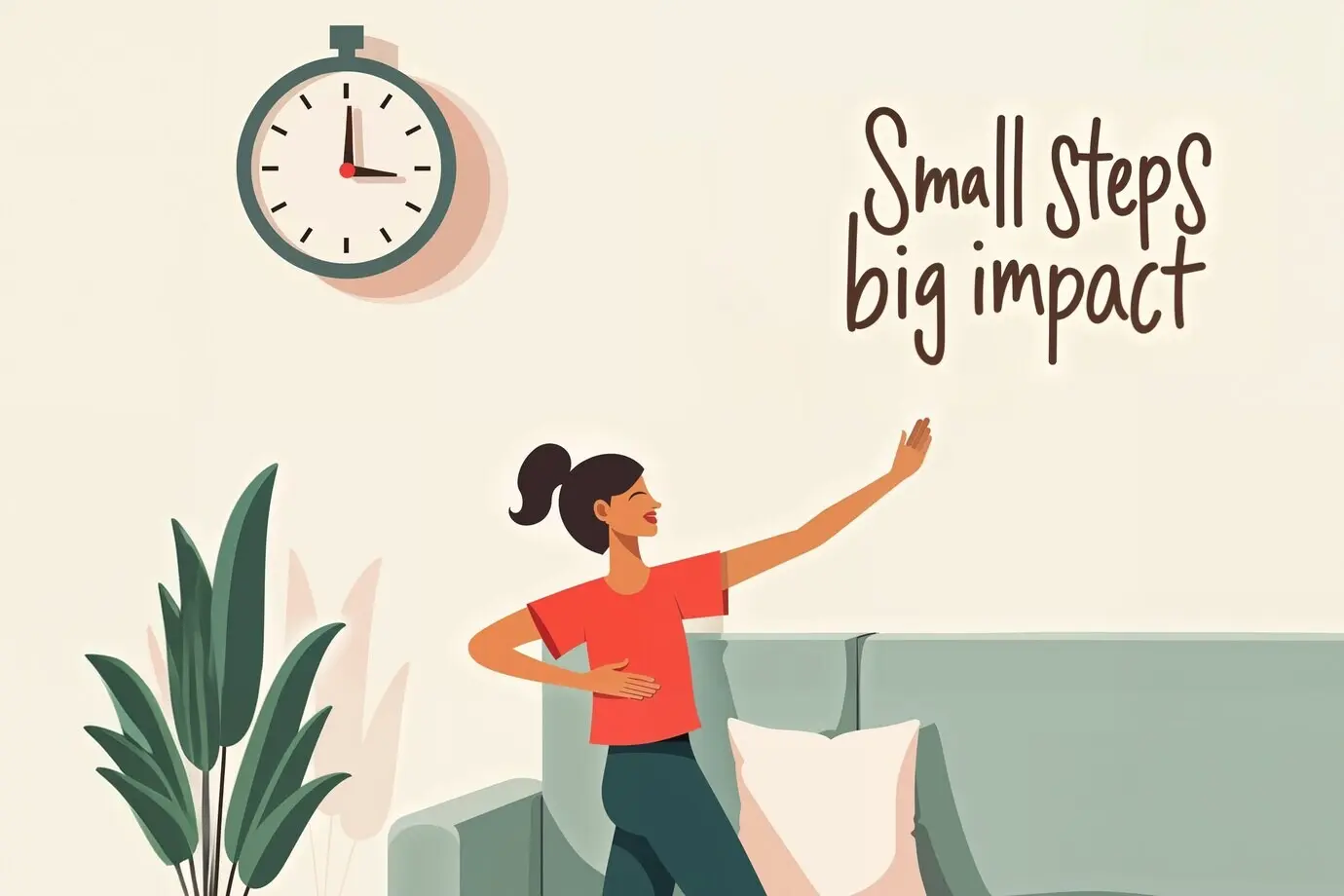
Today we explore managing digital attention as an ecosystem—boundaries, signals, and feedback. We will map where focus leaks, create humane cues that guide priorities, and build learning loops that adapt. Expect practical experiments, reflective stories, and invitations to share your own discoveries, so we can cultivate resilient habits and tools together across work, study, and rest.

Drawing Clear Boundaries Around Your Attention

Attention thrives when its edges are respected. Define time, space, and device boundaries that protect depth without isolating you from life. We’ll test do-not-disturb windows, app limits, and status cues, then reflect on permeability, escape hatches, and agreements that keep commitments flexible, humane, and genuinely sustainable in varied seasons of work and care.

Time Windows That Protect Deep Work

Reserve protected windows for deep work aligned with natural energy cycles. Experiment with ninety-minute blocks, gentle buffers, and clear shutdown rituals. Announce availability to collaborators, and track how fewer context switches change quality, pace, and mood. Adjust durations compassionately, honoring caregiving, neurodiversity, and unexpected urgencies without surrendering the core promise to your future self.

Spatial and Device Separation

Separate spaces and devices to mark intentions. A minimalist home screen, a dedicated notebook, or a different chair can become a boundary you feel. Place temptations out of reach, surface priorities physically, and observe how small environmental shifts reduce micro-cravings, reclaim silence, and reward presence while keeping essential contact channels available when truly needed.

Designing Signals That Respect Human Rhythms

Signals should inform, not agitate. Calibrate channels so meaning rises above noise. We will audit alerts, tones, and badges; batch low-urgency pings; and design escalation only for true urgency. By right-sizing cues, attention becomes steadier, decisions improve, and relationships feel clearer because communication honors timing, context, and human nervous systems.

Building Healthy Feedback Loops

Lightweight Metrics That Matter

Track one or two indicators only: sessions protected, meaningful progress moments, or perceived clarity scores after work. Combine numbers with a single sentence reflection. This blend keeps data humane while still revealing drift or improvement, guiding which experiments deserve another week and which should be gracefully retired without guilt.

Retrospectives and Course Corrections

Hold a monthly retrospective with a friend, partner, or team. Share what nourished attention and what drained it. Compare intended boundaries with lived reality. Adjust protocols, tools, or expectations. Name one bold subtraction experiment to try next month, and one restorative practice to anchor the first difficult morning back.

Learning Loops With Compassion

When experiments wobble, treat yourself like a learner, not a machine. Replace blame with hypotheses. Ask what signal misled you and which boundary lacked support. Invite feedback from trusted peers. Iterate gently, preserving dignity and momentum while aligning attention with values that outlast hectic seasons and shifting incentives.

Rituals, Tools, and Environments That Support Focus

Rituals and environments anchor intentions when willpower fades. We will design openings, closures, and supportive frictions that make the desired path easier than the default. Tools remain servants, not tyrants. Expect practical checklists, tiny rewards, and nature-informed pauses that renew attention, creativity, and kindness during demanding cycles of collaboration and delivery.

Opening and Closing Routines

Begin with a minute of planning and end with a minute of review. Name your single most important output, clear visual clutter, and leave a breadcrumb for tomorrow. Close messaging apps consciously. Celebrate completion with a breath, a stretch, or a short walk, teaching your nervous system that focus brings meaningful closure.

Frictions and Guardrails by Design

Introduce intentional speed bumps where impulses usually win. Require search to open entertainment sites, pin priority documents, and use fullscreen for craft work. Hide infinite feeds behind scheduled digests. Replace vague goals with concrete next actions. These small guardrails nudge attention toward purpose without harshness, while still leaving room for play.

Team Agreements for Collective Attention Health

Individual practices flourish inside collective agreements. Together we can reduce accidental overload with predictable rhythms, clear escalation, and meetings that respect purpose. These norms create psychological safety and higher-quality output, while opening space for real emergencies, deep craft, and the unhurried conversations where creative breakthroughs and trust often emerge.

Ethical Product Choices and Everyday Advocacy

Every click shapes incentives. As makers and users, we can choose tools and practices that honor human attention. We will favor transparency over tricks, advocate for adjustable notifications, and offer clear feedback to vendors. Small choices compound, shifting markets toward healthier defaults that support learning, care, and long-term creativity.

01

Choosing Tools Aligned With Values

Audit your stack quarterly and replace extractive features with humane alternatives. Prefer products with clear data practices, granular notification controls, and calm design. Share your reasoning with colleagues so adoption spreads. The market listens when many individuals align purchases and attention with values that protect concentration, rest, and dignity.

02

Feedback to Vendors That Drives Change

Offer thoughtful product feedback: record a short screencast, include desired outcomes, and propose respectful defaults. Thank teams when they fix something. Publicly endorse improvements that reduce noise. This positive pressure, repeated patiently, encourages roadmaps that balance growth with care, proving that sustainable attention can be a competitive advantage worth celebrating.

03

Community Sharing and Mutual Aid

Share your experiments and results with readers here. Post what worked, what failed, and the surprising side effects. Invite others to borrow templates and report back. Subscribe for future explorations, and join a small circle committed to cultivating calmer, kinder, digital ecosystems through collective learning, accountability, and generous encouragement.

Pexenuranoxopemafa
Privacy Overview

This website uses cookies so that we can provide you with the best user experience possible. Cookie information is stored in your browser and performs functions such as recognising you when you return to our website and helping our team to understand which sections of the website you find most interesting and useful.